An energy audit can show a food-processing company where it could save energy. Turning those recommendations into investments takes more than a technical assessment: businesses also need access to finance, practical support and a clear understanding of what the improvements could deliver.
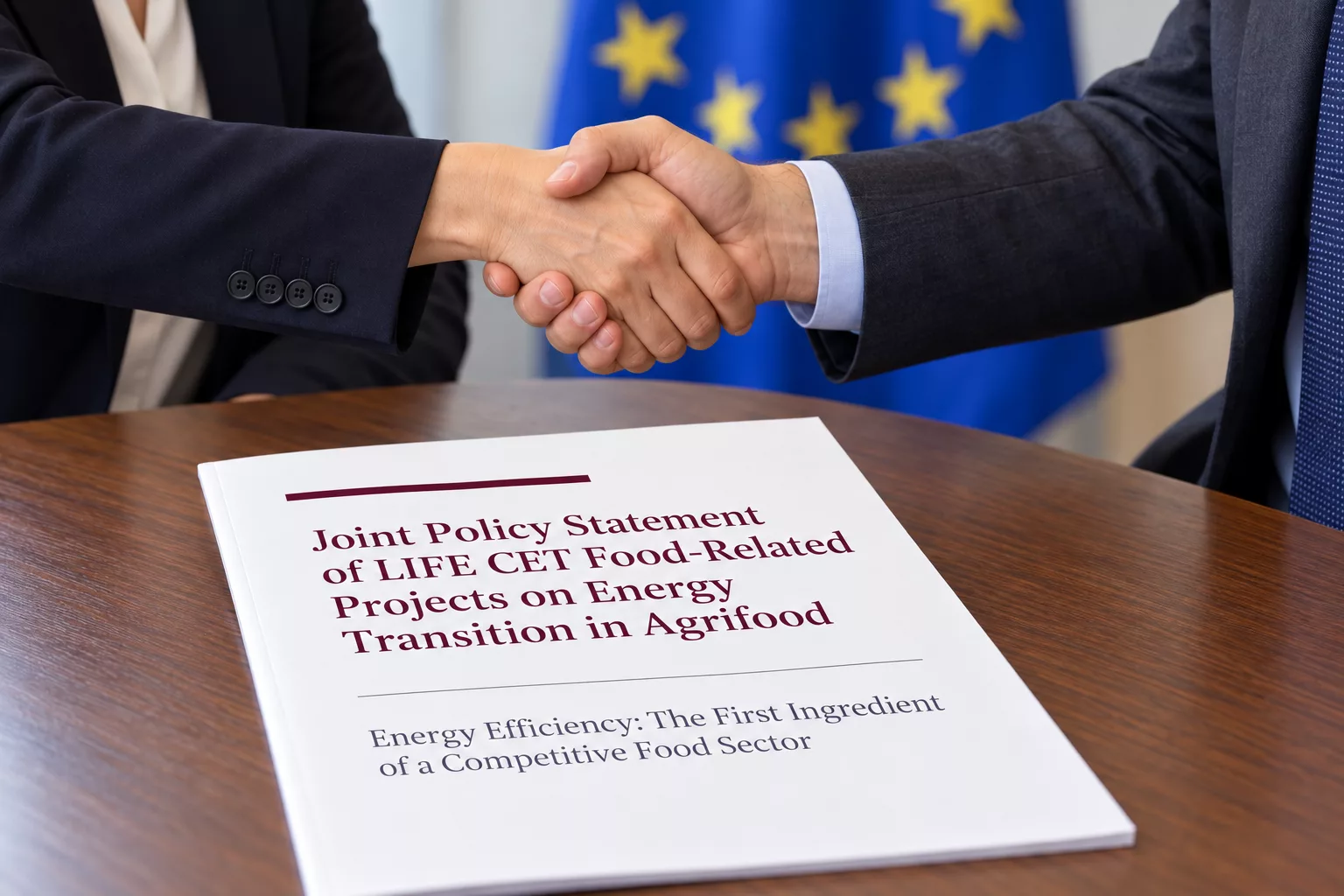
Drawing on their experience supporting companies across Europe, AENEAM, EENOVA, BETTED, AUDIT PLUS and REEValue have published a joint policy statement on the energy transition in the agri-food sector. Its central message is that energy audits should mark the beginning of a sustained improvement process, with support that helps companies follow through.
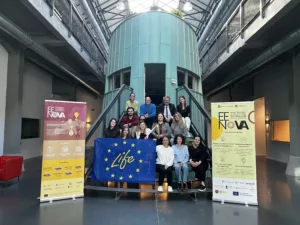
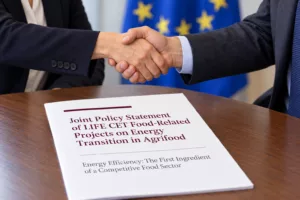
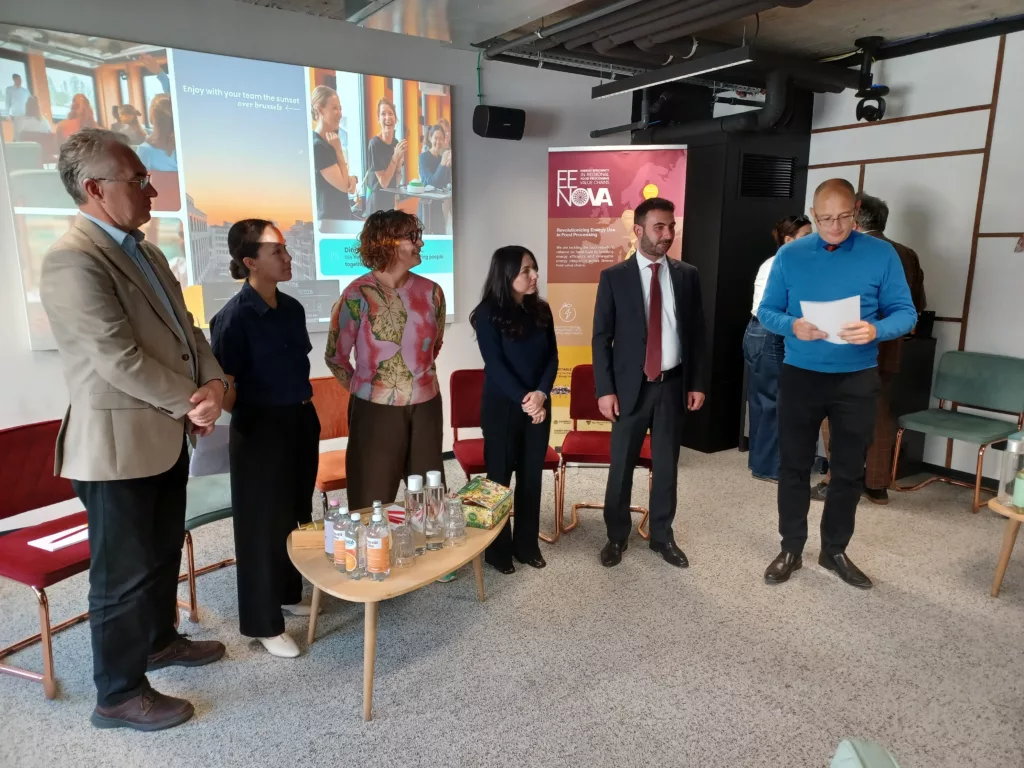
The statement, titled “Energy Efficiency: The First Ingredient of a Competitive Food Sector”, was handed over to Oronzo Daloiso of CINEA during EENOVA’s final event in Brussels on 7 October 2026.
Recognising the full value of energy efficiency
Energy costs affect both the competitiveness of food businesses and the prices consumers pay. Reducing avoidable energy use can help lower operating costs and limit pressure on food prices, while supporting the sector’s decarbonisation.
Yet investment decisions often focus narrowly on energy savings and simple payback periods. This can overlook benefits that matter to a company’s daily operations, including better product quality, improved process control, less waste, reduced maintenance and greater equipment reliability.
The five projects call for these benefits to be identified and, where feasible, quantified alongside energy and carbon savings. A fuller assessment can help businesses understand the value of a proposed investment and decide which measures to prioritise.
Four priorities for moving from recommendations to action
The statement sets out four areas where policy and support mechanisms can help companies make progress.
Make energy audits strategic and action-oriented
Audits should connect individual recommendations with a company’s overall energy strategy and longer-term decarbonisation objectives. The statement calls for stronger incentives to report on implementation and its impacts, alongside investment assessments that capture the wider business benefits of energy efficiency.
This would give companies a clearer route from identifying opportunities to planning coherent investments.
Bridge the gap between audits and implementation
For many SMEs, the difficult work begins once the audit is complete. Developing a project, securing finance, choosing suppliers and managing implementation all require time and expertise.
The projects recommend dedicated post-audit technical support, stronger financial expertise among auditors and more consistent investment-assessment methods. They also call for funding arrangements that recognise the full value of energy management, including avoided costs, reduced downtime and continuous performance improvements.
Support digitalisation and better energy data
Reliable data helps businesses understand their consumption, track the effects of changes and plan further investments.
The statement recommends incentives for energy management systems and preferential co-financing rates for advanced metering and monitoring. These tools can help companies make energy management an ongoing part of their operations.
Strengthen business networks and peer learning
Companies also need people and organisations they can turn to for advice. Innovation clusters, chambers of commerce, business networks and regional support organisations can connect SMEs with expertise, finance and relevant experience.
The projects call for greater recognition and support for these intermediaries, alongside peer learning and capacity-building programmes that strengthen skills and energy awareness within businesses and across value chains.
A shared message for policymakers
Together, the recommendations highlight a practical need: support must continue beyond the audit itself. Technical advice, finance, reliable data and cooperation all help companies turn identified opportunities into lasting improvements.
By bringing their experience together, the five LIFE Clean Energy Transition projects aim to inform policies that make this process more accessible to agri-food businesses, particularly SMEs.
Read the full joint policy statement below to explore the recommendations for supporting a more energy-efficient and competitive European agri-food sector.