Cross-sector insights from the 4th EENOVA Roundtable in Romania
The transition toward a more energy-efficient and sustainable economy requires collaboration that goes beyond individual companies and even beyond individual sectors. Within the EENOVA project, roundtables have served as an important space for dialogue between businesses, experts, and support organisations working across agri-food value chains.
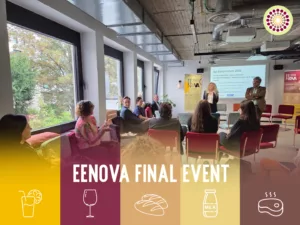
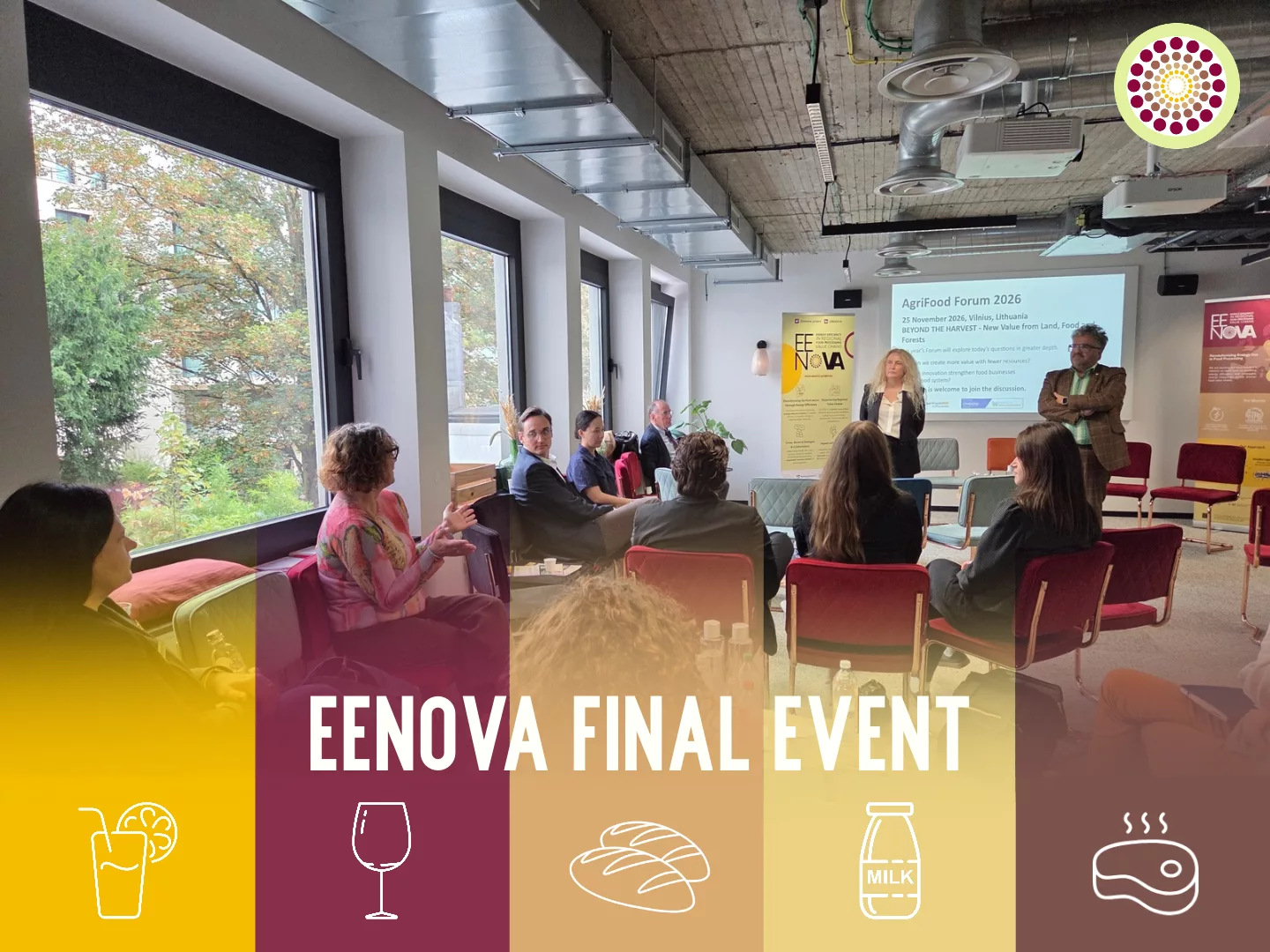
The fourth EENOVA roundtable marked a significant step in the project’s validation process. The roundtable was coordinated by AgroTransilvania Cluster, the Romanian partner in the EENOVA project. While previous discussions focused mainly on agri-food stakeholders, this session expanded the perspective by bringing together participants from multiple sectors, including meat production, furniture manufacturing, IT, environmental consultancy, EU funding consultancy, and education.
This cross-sector dialogue offered valuable insights into how the EENOVA methodology, originally designed to improve energy efficiency across value chains, can be adapted and replicated across different industries.

A broader perspective on value chains
One of the strongest messages emerging from the discussion was the importance of analysing energy efficiency at the value-chain level rather than focusing only on individual companies.
Participants highlighted that companies rarely operate in isolation and that strong stakeholder collaboration is essential for improving energy efficiency across interconnected value chains. Suppliers, producers, distributors, service providers, and knowledge institutions are all part of complex ecosystems where coordinated action can generate far greater impact.
When energy efficiency is approached collectively, stakeholders can better identify energy losses, coordinate investments, optimise planning, and strengthen their negotiating power when accessing financing or implementing new technologies. This systemic perspective reinforces one of the core ideas behind the EENOVA project: meaningful sustainability improvements often require coordinated action across the entire value chain.
A methodology with cross-sector potential
Another key conclusion from the roundtable was that the EENOVA methodology has strong potential for transferability beyond the agri-food sector.
Participants recognised the value of its structured approach, particularly the combination of energy audits, step-by-step data collection, and analytical tools that allow companies to better understand energy consumption patterns within their operational ecosystems.
At the same time, stakeholders underlined that successful replication requires sector-specific adaptations.
For example:
Representatives from the IT sector pointed to the growing importance of digital infrastructure and data centres when analysing energy consumption.
Actors from service-oriented industries emphasised the relevance of mobility and fuel consumption.
The furniture sector highlighted the need to integrate circular economy considerations and EU regulatory developments.
Participants from the education sector stressed the importance of pilot initiatives and demonstration projects that allow organisations to test new approaches in practice.
These discussions confirmed that the EENOVA framework is robust and flexible, but its implementation must remain responsive to the specific realities of each sector.

Areas of consensus and challenges ahead
Despite the diversity of sectors represented, participants reached strong consensus on several important aspects.
Energy audits and structured data collection were widely seen as practical and valuable tools for companies seeking to improve efficiency and better understand their energy footprint. Participants also agreed that adopting a value-chain perspective can strengthen cooperation between companies and support long-term improvements in competitiveness and sustainability.
Another shared observation concerned the role of financial incentives and stable policy frameworks, which were considered essential for enabling companies to invest in energy efficiency measures.
Cluster organisations were also recognised as key facilitators of stakeholder collaboration and knowledge transfer. By connecting companies, research institutions, and policymakers, clusters can help accelerate innovation uptake, support cooperation across sectors, and guide companies through complex funding and regulatory landscapes.
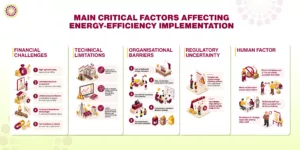
However, some challenges were also highlighted. In particular, SMEs often face constraints related to limited administrative capacity and lack of specialised staff. In some sectors, concerns around competition and data sharing may also slow down cooperation across value chains.
While certain industries felt technically ready for rapid implementation of energy efficiency strategies, others emphasised the need for additional training, awareness-raising, and capacity-building.
Importantly, however, no fundamental disagreement emerged regarding the value of the EENOVA approach itself.
Looking ahead: strengthening replication and long-term impact
The insights gathered during the fourth roundtable provide valuable guidance for the next stages of the EENOVA project.
Feedback from stakeholders confirms that the methodology has strong potential for cross-sector application. The next steps will therefore focus on refining implementation guidelines for different industries, increasing the visibility of project results, and strengthening alignment with relevant European policy and funding frameworks.
Further engagement with stakeholders will also continue through targeted interviews with experts and practitioners. These discussions aim to deepen technical insights, capture strategic perspectives, and further validate the adaptability of the methodology at regional and sectoral levels.
Ensuring long-term impact beyond the lifetime of the project will require continued cooperation between clusters, companies, policymakers, and support organisations. Building trust, encouraging transparent data practices, and showcasing successful pilot initiatives will all play an essential role in scaling up the results achieved within EENOVA.
By bringing together diverse perspectives and encouraging collaboration across sectors, the EENOVA roundtables demonstrate how collective dialogue can support the transition toward more sustainable and energy-efficient value chains across Europe.
Article written by AgroTransilvania Cluster.