Ljubljana, 10 March 2026
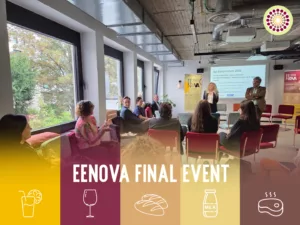
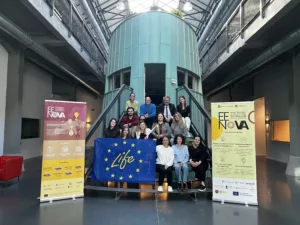
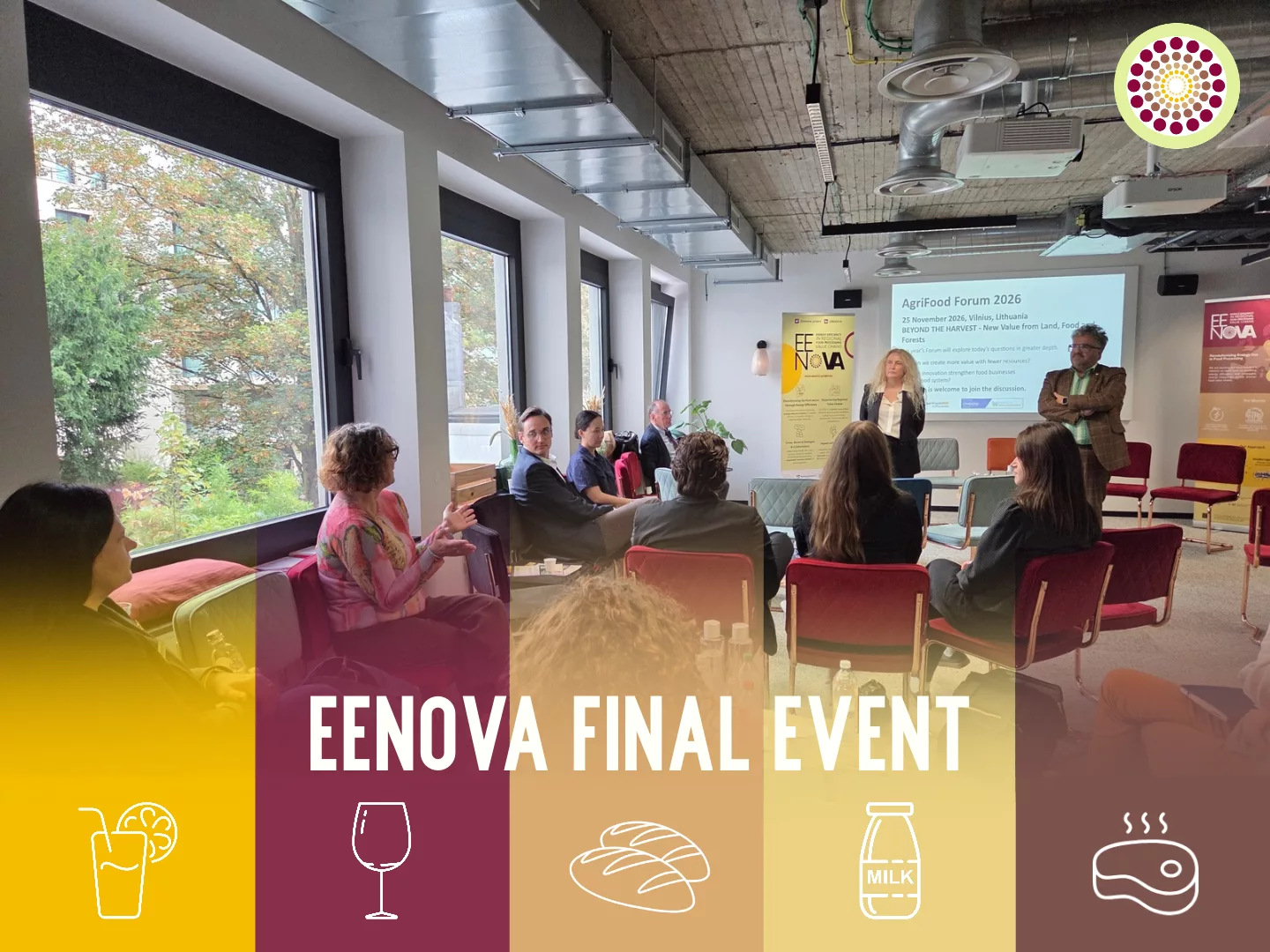
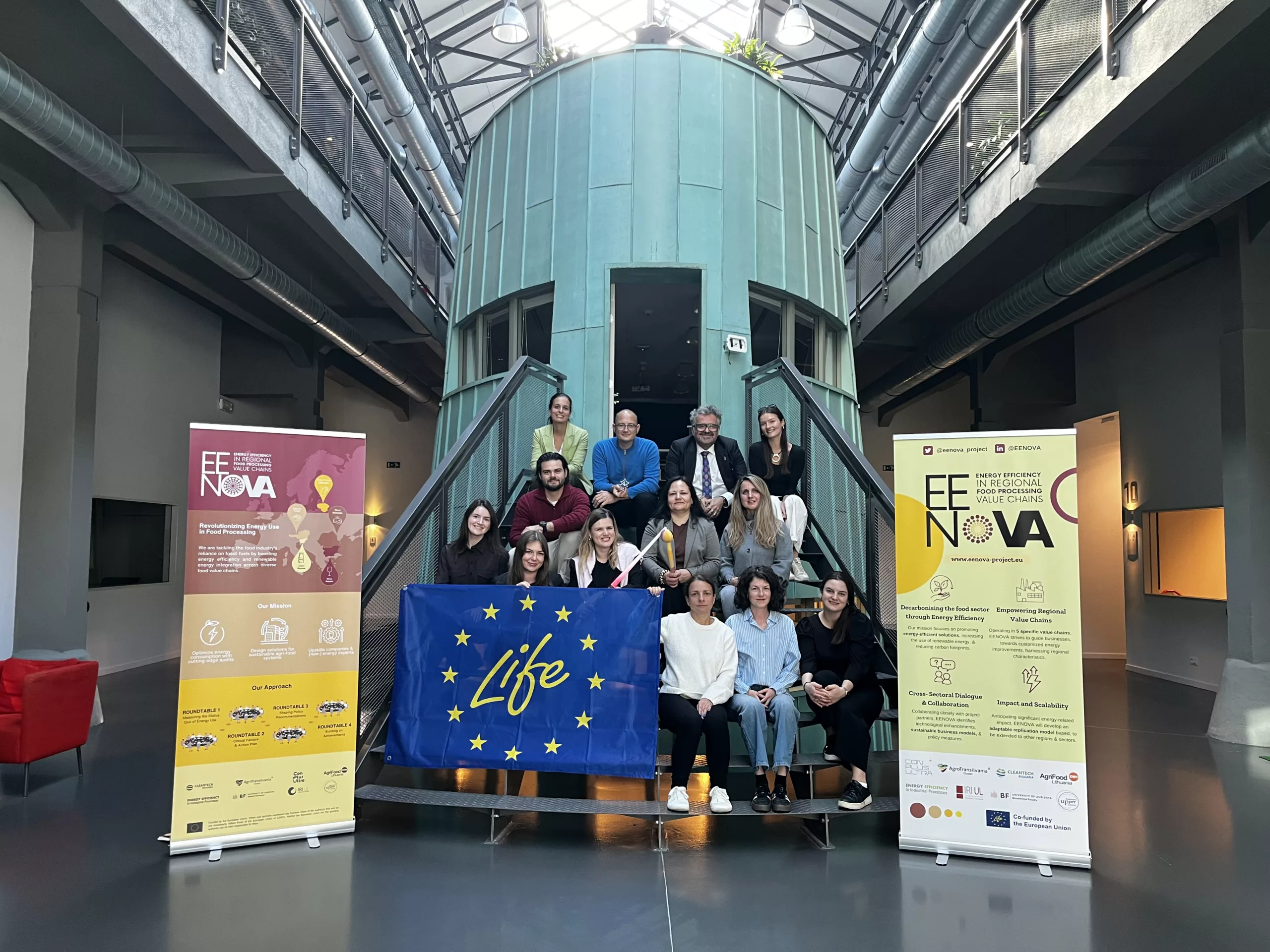
On 10 March 2026, representatives of several Slovenian agri-food companies met at the Chamber of Commerce and Industry of Slovenia (GZS) in Ljubljana for a workshop organised within the EENOVA project. The event brought together industry representatives, energy efficiency experts, and researchers to discuss practical experiences with energy use, investment decisions, and opportunities for improving energy efficiency in food production.

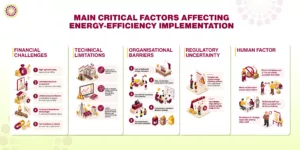
The discussion revealed a common challenge across the sector: companies are aware of rising energy costs, yet most lack the systematic tools and internal capacity to manage energy strategically. Many companies still analyse energy consumption retrospectively rather than through real-time monitoring, and energy responsibilities are frequently assigned to employees whose main roles lie elsewhere. Participants emphasised the need for more systematic approaches, including energy management systems, structured monitoring, and stronger engagement from company management.
As part of the workshop, Mlekarna Planika presented a good practice example, sharing its experience of implementing energy efficiency improvements within the EENOVA project. The dairy outlined its pathway of energy transition, including the steps taken from initial energy analysis towards the gradual implementation of efficiency measures and renewable energy solutions.
Participants also discussed technological opportunities for improving efficiency in food processing. Particular attention was given to systems such as refrigeration, compressed air, and process heat, which represent significant energy consumption in many food production facilities. Relatively simple measures, including improved monitoring, equipment upgrades, and better maintenance practices, were identified as potentially offering considerable savings.
At the same time, companies are increasingly exploring renewable energy solutions, particularly PV systems, as well as new organisational approaches such as shared energy systems and collaborative initiatives between companies. However, participants noted that regulatory uncertainty and grid capacity constraints can complicate investment planning.
During the workshop, participants were also presented with various national and European funding programmes that support investments in energy efficiency and renewable energy solutions. Several public calls are currently open in Slovenia, providing companies with opportunities to co-finance part of their investments in measures aimed at improving energy efficiency, reducing energy consumption, and supporting the energy transition of industrial processes.
Beyond technical issues, the workshop also addressed broader structural challenges affecting the agri-food sector. Participants pointed to strong pressure from retail markets, changing regulatory requirements, and increasing sustainability reporting obligations as factors shaping companies’ operational decisions and investment priorities.
The workshop demonstrated that improving energy efficiency in agri-food value chains requires not only technological solutions but also better data monitoring, stronger coordination across the value chain, and supportive policy frameworks. Through initiatives such as EENOVA, stakeholders aim to translate these discussions into concrete actions, helping companies identify realistic investment pathways and strengthen the resilience and competitiveness of the agri-food sector.